Manual Therapies week 7!
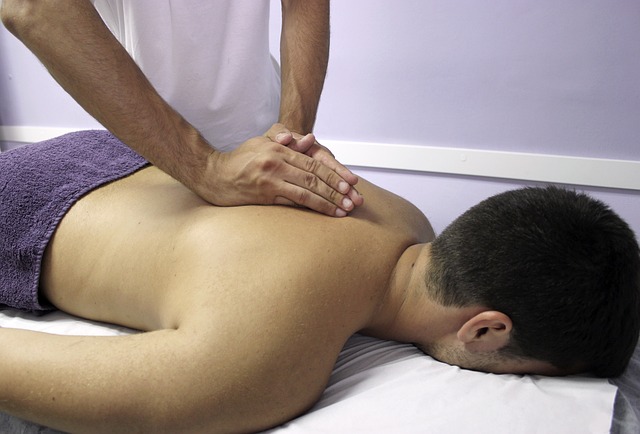
- Explain your understanding of the difference between osteopathy and other forms of manual therapies such as chiropractic, remedial massage, etc.
Manual therapies such as Chiropractic, Osteopathy, Remedial Massage, all address Musculoskeletal function, pain and injury, and each modality has its own particular training and application in approaches to treatment. Chiropractors and Osteopaths attain a Bachelor of Health Science / Masters or equivalent practice under guidelines from regulatory bodies, such as AHPRA (Australian Health Practitioners Regulation Agency). Remedial massage therapists may attain Diplomas, and will practice under associations, such as the Massage Association of Australia.
From my understanding, Chiropractors utilise a range of direct and indirect strategies, including direct musculoskeletal manipulations and Mobilisations e.g. direct Vertebral subluxation which are spinal manipulations that assist the nerves, and nervous system and the visceral organs, in reducing stressors from misalignment. This leads to the body functioning more efficiently holistically. Other direct practices are mobilisation of the joints, which involves assisting the client through a range of joint movements from passive to active end ranges. Endeavour lectures state: ‘Mobilisations occur within the passive end range. Manipulations occur just beyond the passive end range, a region called the “paraphysiological space”. The active end range is how far the client can move the joint with their own effort, the passive end range is the amount the practitioner can move the joint past this space without injury (Endeavour lecture 6). Chiropractors must receive training because if they manipulate the body past its anatomic end range, it can cause irreversible injury. Other indirect approaches of chiropractic treatment include: self care strategies, behaviour and lifestyle modifications, therapeutic or rehabilitative exercises, trigger point therapy, and nutritional and dietary recommendations (Endeavour lecture 6).
To my knowledge, an Osteopath has a similar approach to treatment, however they don’t apply vertebral subluxation practices in their treatment approach. They may use a range of direct techniques including: joint mobilisation, soft tissue therapy, myofascial techniques, trigger point therapy, stretching, and high velocity technique (movement of a joint within active range to release pressure), more so than and chiropractor (Endeavour lecture 6), and they may also use a range of indirect techniques, including: cranial sacral therapy (regulating the flow of spinal fluid, through therapeutic touch to manipulate the synarthrodial joints of the cranium), functional, and other positional release techniques (Endeavour Lecture 7). An Osteopath may also make recommendations for lifestyle and wellbeing practices.
Remedial Massage utilises myofascial release techniques, trigger point therapy, joint movements (through active to passive end range), soft tissue manipulation of skin, muscles, tendons, ligaments, fascia and structures in the superficial tissue (Endeavour lecture 3). Massage is different from Chiropractic and Osteopathy in that it uses direct touch techniques such as effleurage, petrissage, tapotement, and compression of the soft tissue and muscles to aid healing and recovery. It doesn’t apply manipulation techniques, and doesn’t require as much in depth training to practice. Massage manually aids movement of blood and lymph fluid around the body. Massage therapists can still recommend general healthy lifestyle approaches, however therapeutic, behavioral, and nutritional strategies aren’t’ part of their training.
How might osteopathy contribute to an integrative, multi-disciplinary health care team?
Osteopathy can work in a complementary way with remedial massage, naturopathy, general practice, physiotherapy, and other modalities. It is a useful tool in rehabilitation of injury, and in maintenance of wellbeing. Some modalities are not covered by health insurance, or some are included at different levels.